
Scope
Technical evidence that the cargo is secured
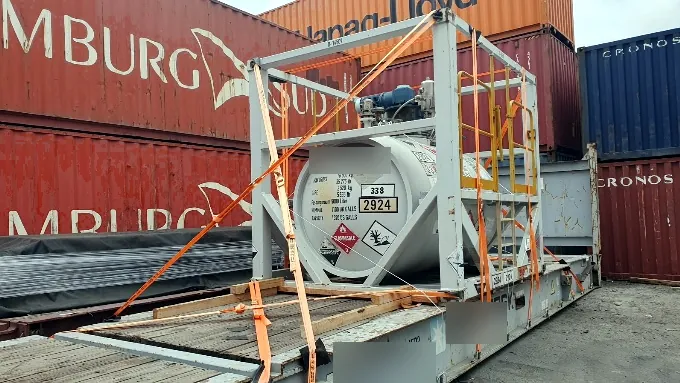
The lashing certificate documents that a cargo was secured to its transport unit in accordance with recognised criteria. It is issued by a marine surveyor after inspecting the cargo at the place where it is stuffed.
Shipping lines require it to accept cargo on flat racks and open tops and, in general, out-of-gauge cargo. The requirement is set by each line; lashing is the shipper's responsibility.
We carry out the inspection before the unit leaves the warehouse. We communicate observations on the spot, so that they can be corrected before entry to the terminal.
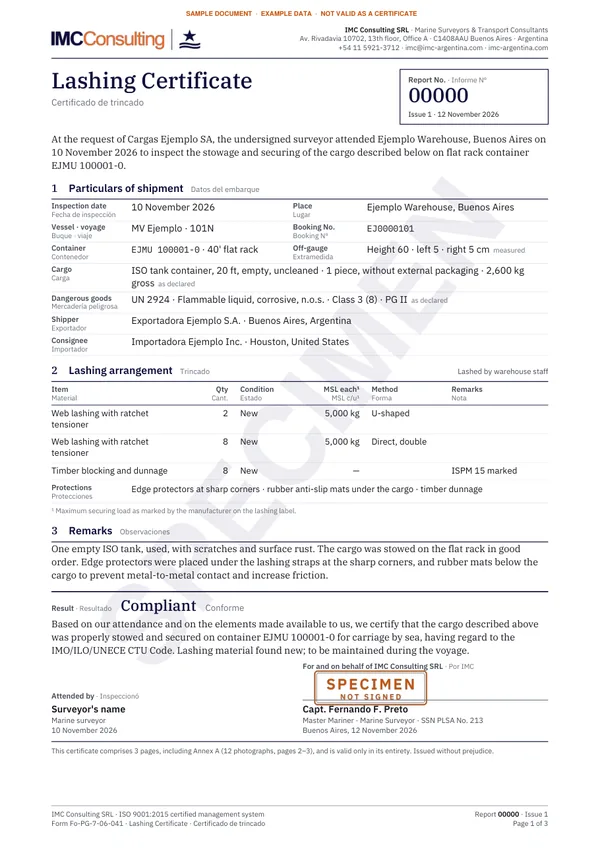
PDF · 3 pages · 1 MB. Actual format, with example data.
Verification
What we verify during the inspection
Six aspects, recorded in the certificate with photographs and measurements.
- IdentificationUnit number and type, CSC plate and cargo details.
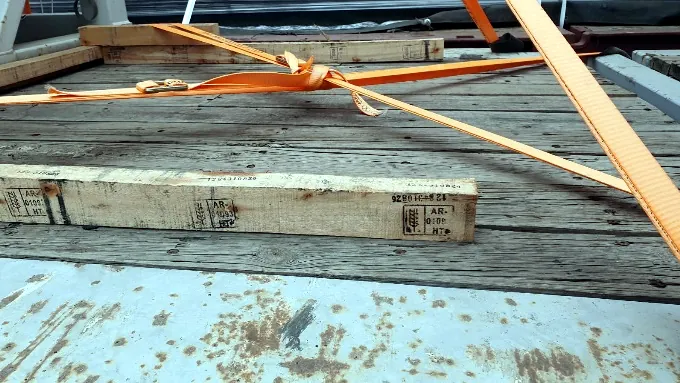
- Bedding and weight distributionBedding timber, chocks and position of the cargo on the unit.
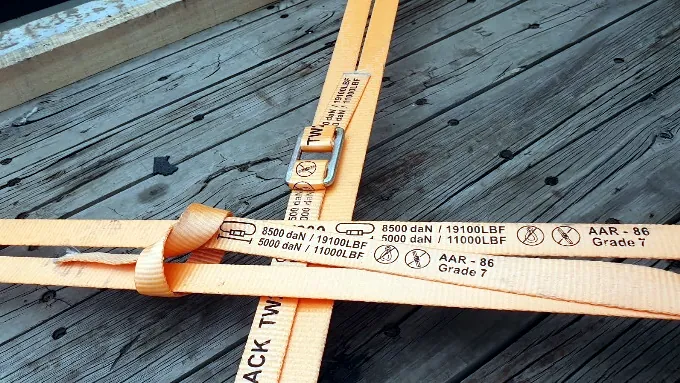
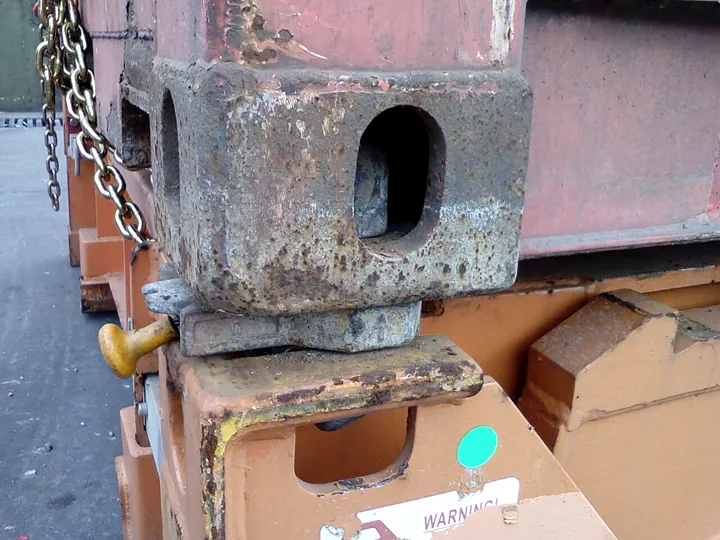
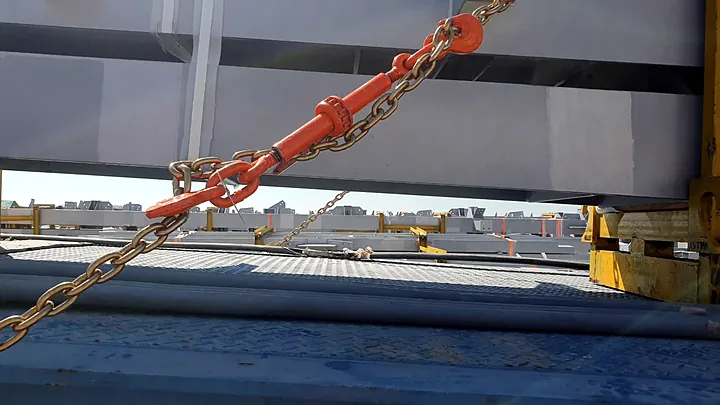
- Lashing materialsStraps, chains, tensioners and shackles: type, quantity, condition and the capacity shown on their label.
- Lashing pointsCondition and capacity of the anchor points on the unit and on the cargo.
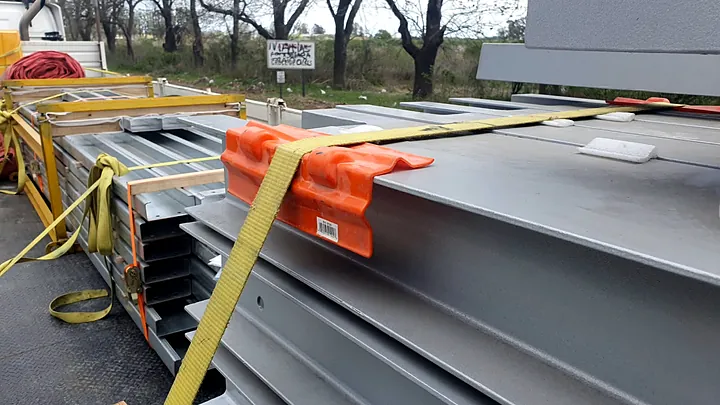
- ArrangementAngles, symmetry and edge protection.
- AssessmentSecuring capacity of the arrangement as a whole, under Annex 13 of the CSS Code.
Units and cargo
Special containers and break-bulk cargo
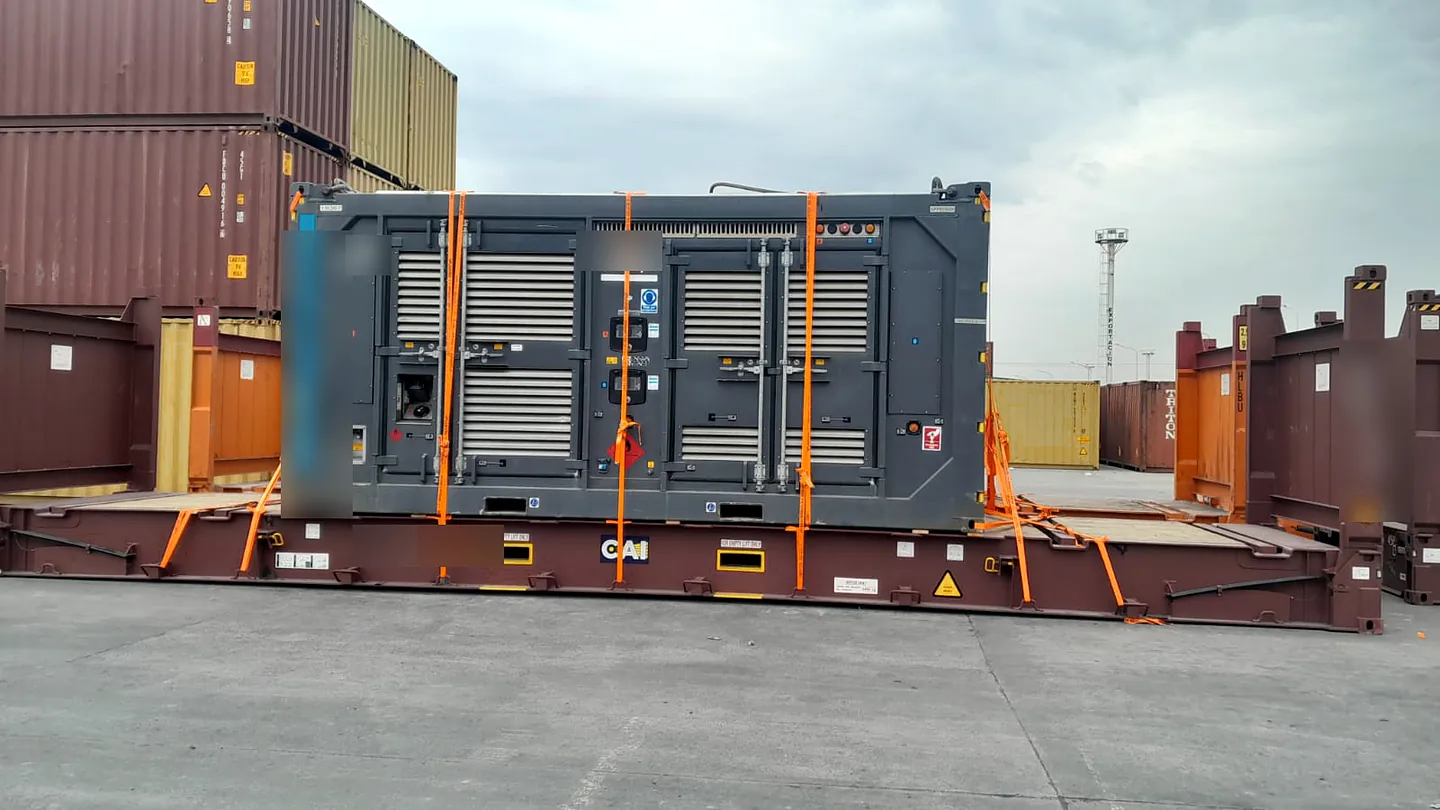
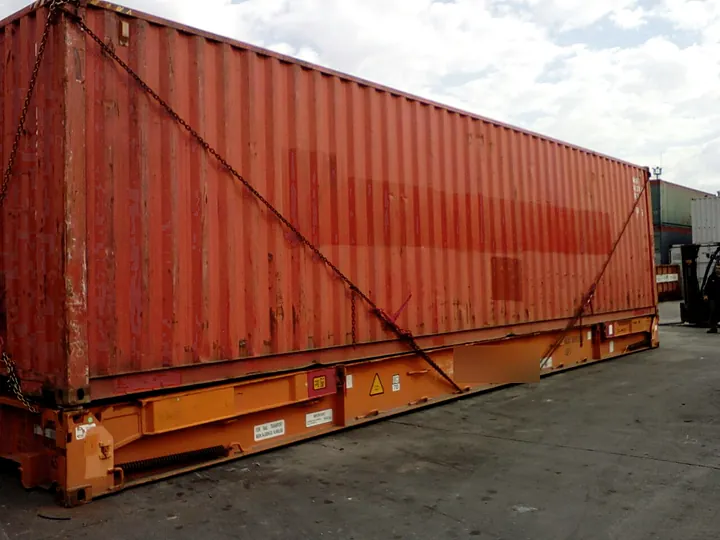
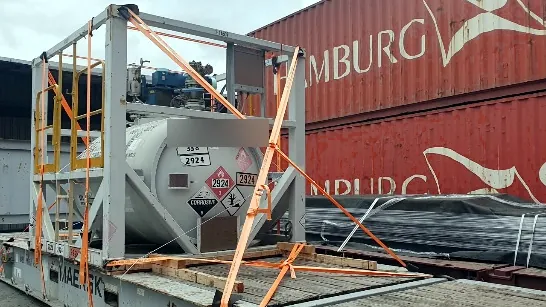
Flat rack
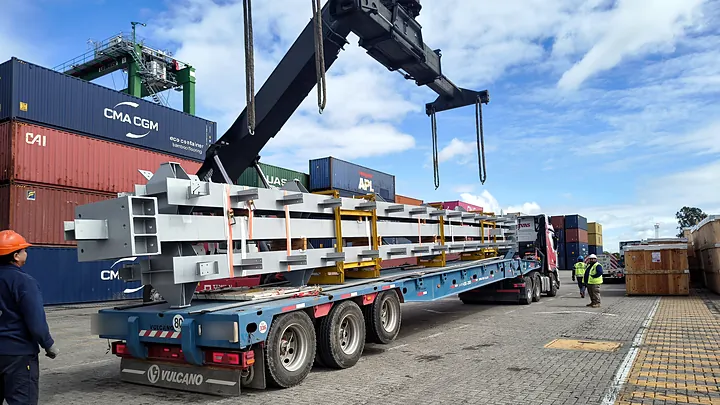
Machinery, equipment, tanks and structures on 20- and 40-foot platforms, in gauge or out of gauge.
Open top
Over-height cargo or cargo loaded from above, with or without a tarpaulin.
Mafi
Heavy cargo on roll trailers for Ro-Ro vessels.
Break-bulk cargo
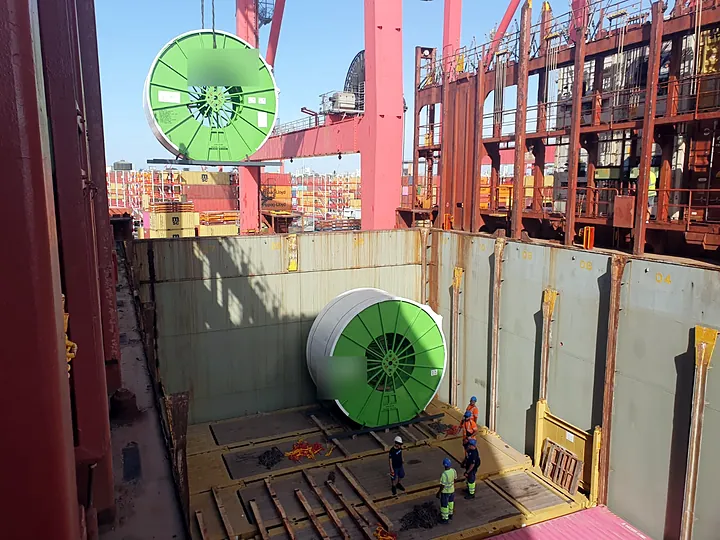
Project cargo and general cargo stowed in the hold or on deck.
- Units with lashing surveyed since 2023
- 450+
- Usual report turnaround
- 2 days
- Years the firm has been in business
- 20+
IMC Consulting job register as at 28 October 2026. Time to issue: 2026 median.
Options
Three ways to engage the service
Verification and certification
We inspect the cargo once lashed, point out corrections on site and issue the certificate.
Lashing guidance beforehand
We advise on materials, quantities and arrangement before loading, so that the inspection finds less to correct.
Tailored service
We support operations with several units or complex cargoes and attend during stuffing.
Procedure
From request to certificate
Request
You tell us the type of cargo, the number and type of units, the place and the estimated date.
Coordination
We agree the shift with the warehouse and send the surveyor's documentation for access.
Survey
The surveyor checks, measures and photographs, and communicates observations on the spot.
Certificate
We issue the signed certificate, in Spanish, in English or bilingual. Usual turnaround: two days.
Completed jobs
Lashing verified in 2026
Frequently asked questions
About the lashing certificate
Who requests the certificate?
Usually the exporter, their freight forwarder or the bonded warehouse where the cargo is stuffed. We issue the certificate in the name of whoever engages us.
Where do you carry out the inspection?
At the place where the cargo is lashed: bonded warehouses in Greater Buenos Aires, the exporter's plant or port terminals. In other locations, on request.
What happens if there are remarks on the lashing?
We point them out on the spot so that they are corrected before the unit leaves. We issue the certificate once the corrections have been verified.
How long does it take to issue?
The usual time is two days from the survey (2026 median). If the documentary cut-off calls for a shorter time, it is best to say so when requesting the service.
In which language do you issue it?
In Spanish, in English or in bilingual format, with photographs.
Does IMC carry out the lashing?
No. Our role is to verify and certify. The lashing is usually carried out by the warehouse, the exporter or their contractor.
Other services
Related services
Contact
Request a lashing certificate
With the type of cargo, the number and type of units, the place and the estimated date we can quote.